
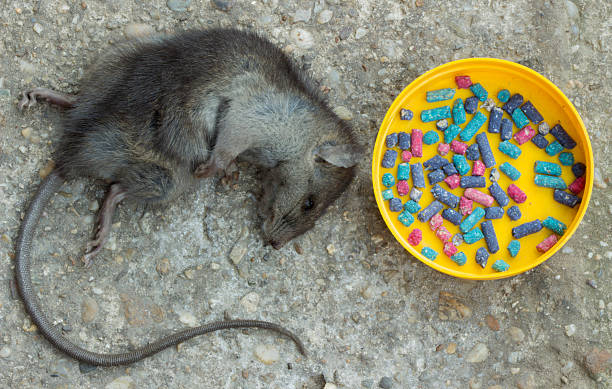
Pest infestations can be a daunting challenge for homeowners and businesses alike. While do-it-yourself (DIY) pest control methods may seem like an easy and cost-effective solution, they often fall short of addressing the root cause of the problem. Hiring professional pest control experts offers several advantages that ensure effective, long-lasting results.
Expertise and Knowledge
Professional pest control technicians are trained to identify different types of pests and understand their behavior. This knowledge is critical in determining:
– The type of infestation (e.g., termites, cockroaches, bed bugs)
– The severity of the problem
– Appropriate treatment plans tailored to specific pests
Professionals rely on scientific methods and a deep understanding of pest biology to create targeted solutions rather than generalized approaches often used in DIY treatments.
Access to Advanced Tools and Products
Unlike over-the-counter products available for DIY use, pest control experts have access to:
– Commercial-grade pesticides that are more effective than consumer-grade products
– Specialized tools such as bait stations, traps, heat treatments, and fumigation systems
– Eco-friendly options designed to minimize harm to the environment and non-target organisms
This access ensures that treatments are both efficient and safe for humans, pets, and the surrounding ecosystem.
Cost-effectiveness in the Long Run
While DIY solutions might appear budget-friendly initially, they often lead to recurring problems due to incomplete eradication. Professional pest control services help you save money over time by:
1. Preventing costly property damage caused by pests such as termites or rodents.
2. Reducing future infestations through preventive measures.
3. Eliminating the need for repeated purchases of ineffective store-bought products.
By addressing infestations comprehensively from the start, professionals ensure that you don’t face ongoing expenses related to persistent or recurring issues.
| DIY Pest Control | Professional Pest Control |
| Limited effectiveness | Proven long-term solutions |
| Generalized products | Targeted treatments |
| Temporary fixes | Root cause eradication |
Safety Concerns with DIY Methods
Improper handling of pesticides is one of the most significant risks associated with DIY pest control techniques. Many store-bought chemicals contain harmful ingredients that can pose health risks if misused or applied inappropriately. Professionals are trained in using these substances safely while ensuring compliance with local regulations regarding pesticide application.
Furthermore, expert pest controllers take necessary precautions such as:
– Assessing ventilation requirements during indoor applications
– Preventing contamination of food sources or water supplies during treatment
– Advising on post-treatment safety measures for residents
Focus on Prevention
Beyond solving current infestations, professional exterminators educate homeowners about preventive strategies that reduce the likelihood of future problems. These may include: – Identifying structural vulnerabilities (e.g., cracks in walls or gaps under doors)
– Properly storing food items in sealed containers
– Removing sources of standing water where mosquitoes breed
Pest control experts develop integrated approaches combining immediate eradication with ongoing prevention techniques tailored specifically for your property.
Ultimately, while DIY methods might offer quick fixes at first glance, they rarely address underlying issues effectively. Professional services not only provide peace of mind but also safeguard your health, home environment, and financial investment against potential damages caused by unchecked infestations.
How a Pest Control Company Utilizes Sustainable Integrated Pest Management Techniques
Sustainable Integrated Pest Management (IPM) is a holistic approach to managing pest populations by combining scientific principles, environmental sustainability, and effective control methods. This strategy focuses on minimizing risks to human health, non-target organisms, and the environment while effectively addressing pest problems.
https://westpalmbeachpestc.wixsite.com/exterminator
Understanding Integrated Pest Management (IPM) with Exterminators in Florida
- Prevention: Proactively reducing the chances of pests invading or reproducing.
- Monitoring: Regularly observing pest activity to detect issues early.
- Control: Employing targeted interventions only when necessary.
This balanced approach combines biological, cultural, mechanical, and chemical methods for long-term pest management.
Effective Pest Removal Services in Florida Through Sustainable IPM
- Ecological Balance
Sustainable IPM focuses on maintaining ecological harmony by encouraging natural enemies of pests like predators, parasites, or pathogens. - Threshold-Based Action
Decisions are guided by economic thresholds—action is taken only when pest damage surpasses acceptable levels rather than indiscriminately applying treatments. - Biological: Using beneficial organisms such as ladybugs or nematodes to control pests.
- Cultural: Adopting agricultural practices like crop rotation or sanitation to reduce pest habitats.
- Mechanical: Using physical barriers like traps or mesh screens.
- Chemical: Employing environmentally friendly pesticides as a last resort.
- Sustainability Focus
The goal is long-term management without degrading soil quality, water resources, or biodiversity.
Advantages of Sustainable IPM in Florida Pest Control Service
| Benefit | Explanation |
| Environmental Protection | Reduces reliance on harmful chemicals that pollute air and water sources. |
| Cost Efficiency | Preventive measures reduce the need for costly pesticide applications. |
| Target-Specific Interventions | Minimizes harm to beneficial organisms while focusing on target species. |
| Human Health Safety | Limits exposure to hazardous substances for humans and pets. |
Effective Pest Removal Strategies with Sustainable IPM
- Inspection & Monitoring
Conduct regular inspections to identify potential pest problems early and understand pest behavior patterns. - Identifying Pests Accurately
Correct identification helps determine the appropriate control measures for effective results without unnecessary treatments. - Action Threshold Implementation
Establish thresholds that dictate when intervention is necessary based on economic impact or health risks. - Evaluating Control Effectiveness
Continuously assess whether implemented strategies are achieving desired outcomes and adjust as needed.
By integrating scientific understanding with practical solutions tailored to specific situations, sustainable IPM empowers homeowners and businesses alike in achieving effective results while preserving environmental integrity over time. This method serves as an ethical alternative to conventional approaches driven solely by chemical dependency
Effective Pest Control and Proven Pest Management Strategies for Your Home
Pests can quickly become a nuisance in any home, causing property damage, spreading diseases, and creating unsanitary living conditions. Effective pest control and pest management strategies are essential to maintaining a safe, clean, and comfortable environment. Here are proven methods and tips to help you handle pest issues effectively.
1. Assessing the Problem: Identifying the Pests
- Cockroaches: Look for droppings, egg cases, or an oily odor in dark corners or under appliances.
- Rodents: Chew marks on furniture or wires, droppings near food storage areas, or scratching noises in the walls may indicate their presence.
- Ants: Trails of ants leading to food sources or small mounds around entry points are visible signs of infestation.
- Termites: Hollow-sounding wood, mud tubes along walls, or discarded wings near windows can signify termite activity.
Conducting a thorough inspection ensures the correct methods are used to eliminate specific pests effectively.
2. Preventative Measures for Long-Term Control
- Seal cracks and crevices in walls, doors, and windows with caulk.
- Repair broken screens on windows to prevent insect entry.
- Store food in airtight containers to avoid attracting pests.
- Regularly dispose of garbage and keep waste bins tightly sealed.
- Remove standing water around your home that could attract mosquitoes or rodents.
A proactive approach minimizes the likelihood of infestations over time.
3. Safe Chemical Methods for Immediate Relief
| Pest | Common Chemical Solutions | Application Tips |
| Cockroaches | Gel baits, boric acid | Apply gel baits near nesting sites; avoid open areas where children/pets play |
| Ants | Ant bait stations | Place bait along ant trails |
| Rodents | Rodenticide (carefully controlled) | Use tamper-resistant bait boxes indoors |
It’s essential to follow all manufacturer guidelines when using chemical solutions to ensure safety while achieving results.
4. Natural Remedies & Eco-Friendly Options
- Diatomaceous Earth (DE): A natural powder effective against crawling insects like ants and cockroaches.
- Essential Oils: Peppermint oil deters spiders; citronella repels mosquitoes.
- Sticky Traps: Ideal for catching flying insects without using chemicals.
These eco-friendly solutions reduce environmental impact while keeping your home pest-free.
5. The Importance of Consistent Monitoring & Maintenance
- Conduct regular inspections for signs of recurring infestations.
- Schedule periodic deep cleaning sessions in hidden areas like attics and basements.
- Trim vegetation around your home’s perimeter to limit hiding spots for pests like rodents or termites.
By staying consistent with these efforts, you can significantly reduce the risk of future infestations.
Pest management is not just about eliminating current issues but also creating an environment that discourages future invasions. Combining preventative measures with appropriate treatment techniques ensures your home remains safe from unwanted intruders year-round.

Comprehensive Guide to Eliminating Cockroaches from Your Home for Good
Cockroaches are one of the most resilient and unwelcome pests in any home. These creatures not only cause discomfort but also pose serious health risks, as they can contaminate food and surfaces with bacteria and allergens. Effectively eliminating cockroaches requires a comprehensive, strategic approach that combines sanitation, prevention, and targeted pest control methods.
Identifying the Signs of a Cockroach Infestation
- Droppings: Small black or brown droppings resembling coffee grounds or pepper near food sources or dark corners of your home.
- Egg Cases (Oothecae): Capsule-like egg encasements found in hidden areas such as behind furniture or inside cabinets.
- Foul Odor: A musty, unpleasant smell often indicates a large infestation.
- Shed Skins: Cockroaches shed their exoskeletons as they grow, leaving traces in areas where they hide.
- Live Sightings: Spotting cockroaches during the day could indicate overcrowding in their hiding spots.
Steps to Eliminate Cockroaches
- Clean crumbs, grease splatters, and food residue regularly.
- Empty trash bins daily and ensure they are sealed tightly.
- Declutter spaces like closets, basements, and storage units where cockroaches may hide.
- Inspect your home for cracks in walls, gaps around doors/windows, and holes near plumbing fixtures.
- Use caulk or weather-stripping materials to seal these openings.
- Store all food in airtight containers.
- Do not leave dirty dishes or pet food out overnight.
- Fix leaky faucets or pipes that provide moisture for roaches.
- Use bait stations containing gel-based insecticides to attract and eliminate roaches.
- Apply diatomaceous earth (food-grade) around baseboards and entry points—this natural option damages the exoskeletons of pests.
- Consider growth regulators to prevent reproduction within infestations.
- Leverage Professional Expertise When Necessary If DIY methods fail to yield results or the infestation is severe, professional pest control services can provide more advanced solutions tailored specifically to your situation.
Preventing Future Infestations
- Conduct routine inspections for signs of infestations in high-risk areas such as kitchens.
- Seal cracks around windowsills, baseboards, pipes, and outlets annually.
- Maintain consistent cleaning habits by vacuuming floors regularly and wiping counters after use.
| Prevention Step | Recommended Frequency |
| Deep cleaning | Weekly |
| Sealing entry points | Annually |
| Inspecting for signs | Monthly |
The Health Risks Associated with Cockroach Infestations
- Spread pathogens like Salmonella and E.coli on surfaces they contact.
- Cause allergic reactions due to shed skins, droppings, or saliva proteins.
- Trigger asthma symptoms—especially in children—when allergens from roach debris become airborne.
Addressing these risks underscores why eliminating these pests is essential for maintaining a safe living environment.
By combining effective elimination techniques with proactive prevention strategies, you can ensure your home remains free of cockroach infestations permanently while safeguarding your family’s health against potential threats posed by these unwanted intruders.
Top Reasons to Consider Hiring a Professional Pest Control Agency
Pest infestations can be both distressing and damaging for homeowners and businesses alike. While DIY solutions may seem cost-effective, they often fall short of addressing the problem comprehensively. Here are some compelling reasons why hiring a professional pest control agency is a better choice for resolving pest issues effectively.
1. Expertise and Knowledge
- Identify the type of pest invading your space.
- Detect hidden infestations or breeding grounds.
- Apply targeted treatments that minimize risks to humans, pets, and property.
Additionally, they are equipped to deal with a wide variety of pests, including rodents, termites, cockroaches, ants, bed bugs, and more.
2. Access to Advanced Technology and Tools
| DIY Methods | Professional Pest Control Services |
| Limited access to low-strength chemicals | Use of high-grade pesticides tailored for specific pests |
| General traps available at stores | Specialized tools like bait stations and monitoring systems |
| Often reactive | Proactive measures like exclusion techniques |
These tools allow professionals to handle both acute infestations and preventive measures effectively.
3. Long-Term Cost Savings
While hiring professionals may appear expensive upfront, it can save significant costs in the long run by preventing recurring infestations or damage caused by untreated pests (e.g., termites destroying wooden structures). Professionals also reduce the risk of improper treatments that could lead to secondary issues.
4. Safety Assurance
- Using eco-friendly or low-toxicity treatment options when possible.
- Clearly communicating post-treatment precautions.
- Ensuring compliance with local regulations on pesticide usage.
This approach protects your family members, pets, and even surrounding wildlife from unnecessary exposure.
5. Time Efficiency
Professionals assess the severity of an infestation quickly and implement solutions without delay. Attempting DIY methods often involves trial-and-error efforts that take time and may exacerbate the problem if not addressed properly.
6. Tailored Pest Management Plans
- Detailed inspections followed by tailored treatment plans.
- Recommendations for structural modifications or sanitation improvements.
- Follow-up services as part of ongoing maintenance programs.
Their holistic approach ensures effective elimination as well as prevention strategies for future infestations.
Final Thoughts
DIY pest control methods may seem appealing due to their accessibility and low upfront cost; however, they often fail to deliver sustainable results. By hiring a professional pest control agency, you gain access to expertise, advanced tools, safe practices, and long-term solutions—all essential components for effective pest management.
Exploring the Most Effective Techniques for Long-Term Pest Prevention and Control
Achieving long-term pest prevention and control requires a blend of strategic planning, consistency, and an understanding of pest behavior. By implementing proven techniques, homeowners and businesses can create an environment that minimizes infestations while promoting health and safety. Below are some of the most effective practices to ensure sustainable pest prevention.
Regular Inspection and Monitoring
- Checking for cracks, gaps, or crevices around windows, doors, and foundations.
- Inspecting attics, basements, crawl spaces, and storage areas.
- Monitoring for signs such as droppings, gnaw marks, or nests.
- Using glue boards or traps in low-traffic areas to track activity levels.
Sealing Entry Points
- Install weather stripping on doors and windows.
- Use caulk to seal small cracks or crevices around the structure.
- Repair damaged screens on vents or windows.
- Ensure that utility lines (e.g., plumbing or wiring) entering the building are properly sealed.
Proper Waste Management
- Use tightly sealed garbage bins with lids.
- Regularly clean trash cans to remove residue.
- Dispose of food waste promptly and avoid leaving it exposed overnight.
- Establish a composting routine if applicable but ensure it is managed appropriately to deter pests.
| Waste Management Tips | Impact on Pest Control |
| Sealed garbage bins | Prevents access by rodents |
| Clean trash containers | Reduces odors that attract pests |
| Timely removal of food waste | Deters flies and cockroaches |
Landscaping Practices
- Trim trees and shrubs away from exterior walls to reduce bridgeways for insects.
- Eliminate standing water sources like birdbaths or clogged gutters as they attract mosquitoes.
- Maintain a gap between mulch layers and building foundations since mulch retains moisture that attracts pests.
Integrated Pest Management (IPM)
- Identification: Correctly identify the type of pest before taking action.
- Prevention: Modify habitats that encourage infestation such as moisture accumulation or clutter buildup indoors.
- Control Methods: Utilize targeted approaches like baiting rather than broad chemical sprays whenever possible.
Professional Assistance When Needed
- Large-scale infestations requiring advanced treatments such as fumigation or heat remediation.
- Difficult-to-eradicate pests like termites or bedbugs needing specialized tools.
By combining these methods into a cohesive plan tailored to individual needs, property owners can achieve long-lasting protection against pests without over-reliance on chemicals or reactive measures alone. This systematic approach establishes healthier living spaces while addressing both immediate threats and underlying vulnerabilities effectively over time.
- Choosing Florida Pest Control: Why Hiring a Professional Exterminator is the Best Decision
- Reasons to Choose Florida Pest Control Experts Over DIY Methods
- The Ultimate Guide to Choosing the Right Pest Control Company
- A Comprehensive Guide to Choosing the Best Pest Control Company for Your Home and Health
- Top Benefits of Hiring Florida Pest Control Professionals for Effective Results
- Florida Pest Control Expertise: Why Hiring Professionals Is Crucial for Effective Solutions
- Top Reasons to Hire Florida Pest Control for Your Home or Business